
A Clear and Honest Guide to Understanding Dental Bonding Results
A smile often carries more meaning than words. It shapes first impressions, daily confidence, and even how conversations flow. When minor flaws like chips, gaps, or uneven edges begin to distract from that smile, many people start searching for simple cosmetic fixes that do not feel extreme. That is where dental bonding before and after expectations become a common question, and also a source of confusion. This guide exists to clear that confusion with calm, clear, and human answers.
This article works as a practical roadmap for anyone curious about dental bonding. It explains what the treatment is, what actually happens during each step, and how results tend to look once the process is complete. Instead of vague promises, it focuses on realistic outcomes and everyday experiences. The goal is to help readers feel prepared, not pressured. Confidence grows when expectations match reality, and this guide is built around that idea.
Readers will also gain clarity on who dental bonding suits best, how long results tend to last, and what habits help protect those results. The content covers preparation, treatment steps, and aftercare in plain language that avoids dental jargon. Each section answers real questions people ask before sitting in a dental chair. By the end, the entire journey feels familiar rather than intimidating.
This guide is designed for anyone considering dental bonding and wanting honest insight before taking action. It explains the process step by step, highlights practical benefits, and addresses common concerns that often go unanswered. The focus stays on education, clarity, and comfort. A confident decision begins with good information, and that is precisely what this guide delivers.
What Dental Bonding Is and Why People Choose It
Dental bonding is a cosmetic treatment that improves the look of teeth using a tooth colored resin. The material blends with natural enamel and reshapes areas that feel uneven or damaged. People often choose bonding because it keeps the original tooth structure mostly intact. It focuses on improvement rather than replacement, which feels reassuring for many patients.
One reason dental bonding feels approachable is its simplicity. The process is usually completed in a single visit. No major prep work is needed, and the treatment focuses on surface-level changes. That makes it appealing for people who want visible results without extended treatment plans. According to insights shared in the American Academy of Cosmetic Dentistry State of the Industry Survey, bonding remains one of the most commonly performed cosmetic dental procedures in the United States, mainly because of its conservative nature and patient satisfaction.
Dental bonding often helps with concerns such as
- Minor chips along tooth edges
- Gaps between front teeth
- Uneven tooth shapes
- Mild discoloration
- Slight length differences
This treatment fits people who want subtle but meaningful changes. It is not meant for major structural issues, but it works well for cosmetic touch-ups. The goal is a natural look that blends in rather than stands out. For many, that balance feels just right.
How to Prepare for Dental Bonding Treatment
Preparation for dental bonding is simple, but it still matters. The process usually begins with a consultation where the dentist reviews goals and examines the teeth. This visit sets the tone for realistic expectations. Clear communication here leads to better results later.
Before treatment, teeth are cleaned to remove plaque and surface stains. This helps the resin bond properly. Shade selection also happens at this stage. The dentist matches the resin color to the surrounding teeth so the result blends naturally. U.S. dental care utilization data published by the American Dental Association Health Policy Institute shows that cosmetic dental visits have steadily increased in recent years, reflecting growing patient awareness and preparation before elective treatments.
Helpful preparation steps include
- Sharing specific concerns about shape or size
- Asking how the final result should look
- Understanding what bonding can and cannot fix
- Reviewing aftercare expectations
Mental preparation matters too. Dental bonding focuses on enhancement, not perfection. Minor improvements often create the most significant confidence boost. When expectations stay realistic, satisfaction tends to follow naturally.
How the Dental Bonding Procedure Works Step by Step
The dental bonding procedure itself is calm and controlled. Most patients are surprised by how quick it feels. In many cases, anesthesia is not needed because the process stays on the tooth surface. Comfort remains a priority throughout.
First, the tooth surface is gently roughened. This helps the resin stick properly. A conditioning liquid is then applied. These steps prepare the tooth without removing much enamel.
Next, the resin is applied and shaped. The dentist carefully molds it to match natural tooth lines. This stage requires precision and patience. Minor adjustments make a big difference in how the tooth looks.
The main steps include
- Surface preparation
- Resin application
- Careful shaping
- Light curing to harden the material
- Final polishing
Once hardened, the resin is polished until it matches the shine of natural teeth. The result should feel smooth and look seamless. Most people leave the office with an improved smile the same day.
What Changes to Expect After Dental Bonding Is Complete
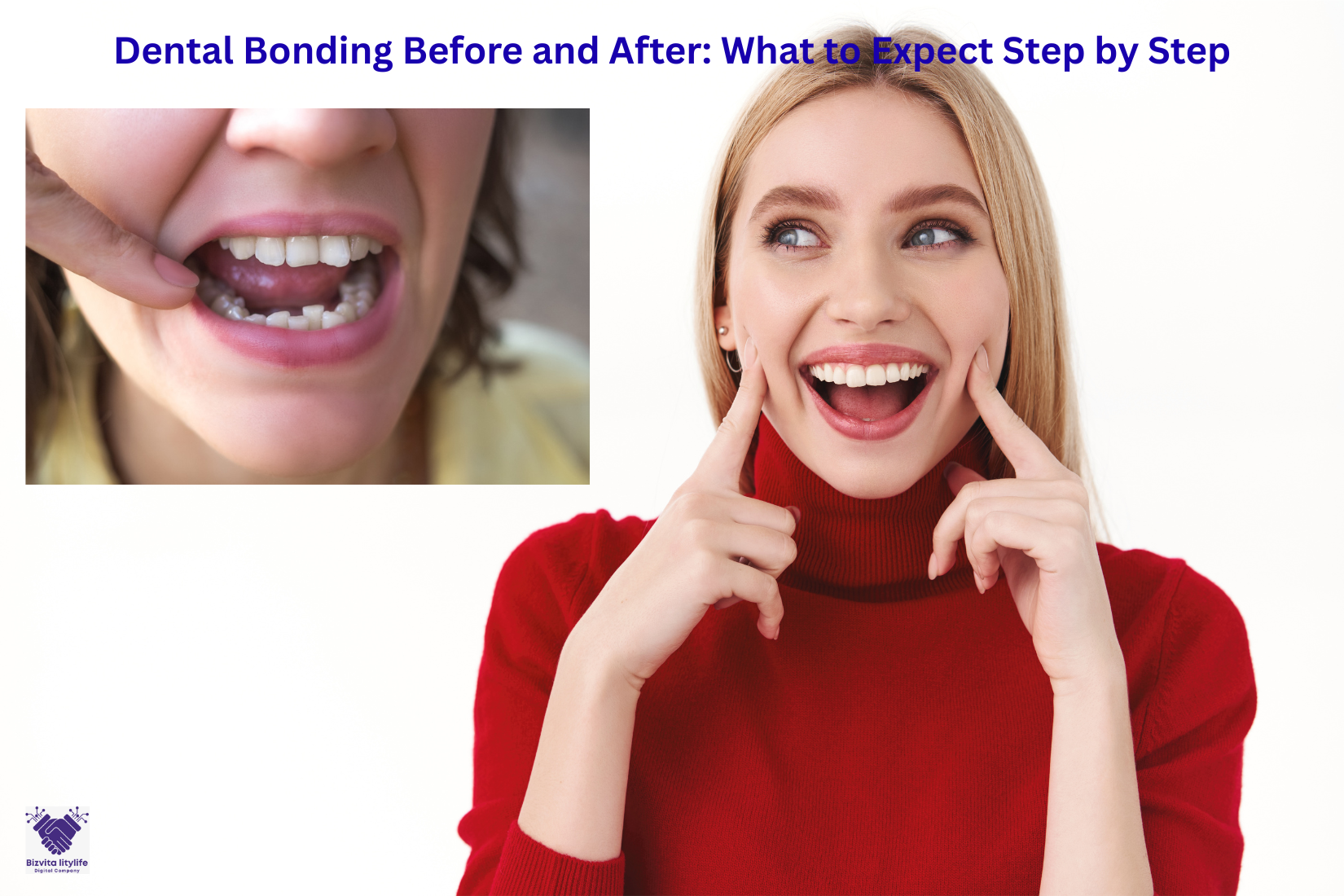
After treatment, the changes are often subtle yet noticeable. Teeth may appear smoother, more even, and better balanced. The goal is not a dramatic transformation but a natural improvement. That is what makes bonding feel authentic.
Function matters as much as appearance. Bonded teeth should feel normal during chewing and speaking. There should be no sharp edges or rough spots. Comfort usually settles quickly.
Common results include
- More even tooth edges
- Improved tooth shape
- Closed small gaps
- Balanced smile appearance
It is also important to understand limits. Bonding does not change tooth alignment or fix significant damage. Knowing this prevents disappointment. When used for the right reasons, results often feel satisfying and confidence-boosting.
Why Aftercare Matters for Long Lasting Results
Aftercare plays a significant role in how long dental bonding lasts. While the resin is strong, it is not as hard as natural enamel. Daily habits influence one’s lifespan more than many people realize.
Simple care routines protect the bonded area. Brushing gently with a soft brush helps avoid surface wear. Avoiding habits like nail biting or chewing ice also makes a difference.
Helpful aftercare habits include
- Brushing twice daily
- Flossing gently
- Limiting staining foods
- Avoiding hard biting objects
Regular dental checkups allow minor issues to be fixed early. With proper care, bonding can stay in good shape for years. Maintenance keeps results looking fresh and natural.
How Dental Bonding Compares to Other Cosmetic Options
Dental bonding often gets compared to veneers or crowns. The key difference lies in the approach. Bonding focuses on minimal change, while other treatments involve more alteration of tooth structure.
Bonding works best for minor cosmetic needs. It preserves natural enamel and usually requires less commitment. For people seeking minor enhancements, it feels like a gentle first step.
Reasons people choose bonding include
- Conservative treatment style
- Faster results
- Natural appearance
- Simple maintenance
Understanding these differences helps people choose confidently. Each option has a place. Dental bonding stands out for its balance of simplicity and impact.
Final Thoughts and a Confident Next Step
Dental bonding offers a practical way to improve a smile without feeling overwhelmed. Understanding each step removes fear and builds confidence. Clear expectations lead to better experiences, and that clarity is what this guide aims to provide.
Every smile has its own story. Dental bonding supports that story by refining what already exists. It focuses on comfort, subtle change, and natural results. When done thoughtfully, the outcome often feels quietly powerful.
If questions still linger or curiosity remains, exploring options with a trusted dental professional can help. We believe informed choices lead to confident smiles. Take the next step when it feels right, and use knowledge as a guide forward.