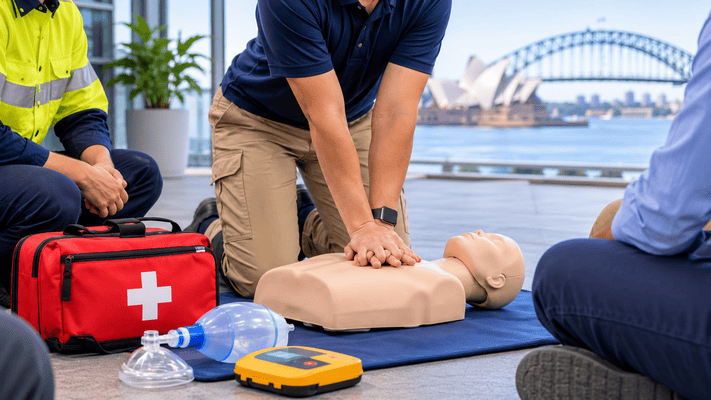

What practical first aid skills can change in a critical moment
An emergency rarely arrives with time to prepare. Someone may collapse at work, a child may be injured at home, or a stranger may suddenly need help in a public place. In those first few minutes, knowing what to do can turn uncertainty into useful action. First aid is not about becoming a medical expert overnight. It is about learning how to assess a situation, protect yourself and others, call for help, and provide appropriate care until professional support arrives. Practical training also lets people practise skills instead of just reading instructions. That experience can make emergency procedures easier to recall under pressure. It also helps learners understand their limits and recognise when they need further medical assistance.
Training NSW offers learners a practical pathway for building those skills in a structured setting. People seeking recognised emergency knowledge can start with a first aid course in Sydney that combines learning with hands-on practice. The value goes beyond workplace compliance because the same skills may be useful while travelling, exercising, caring for family, or attending community events. Good training encourages calm thinking without creating false confidence. Learners practise responding to realistic situations and following clear emergency steps. They also become more familiar with equipment and procedures they might otherwise encounter only during a crisis. When training feels relevant to everyday life, people are more likely to remember what they have learned and respond with purpose.
How first aid training Sydney builds useful workplace skills
First aid training Sydney participants complete should connect theory with situations they could realistically face. A useful course covers recognising emergencies, following first aid procedures, communicating with emergency services, and providing care. Hands-on activities are especially important because emergency skills rely as much on action as on knowledge. Learners should also understand that workplace first aid needs vary with hazards, workforce size, location, and access to medical help. That makes appropriate training part of a wider safety system rather than a stand-alone certificate.
According to SafeWork NSW, workplace first aiders should hold nationally recognised qualifications issued by a Registered Training Organisation for relevant nationally endorsed first aid units. The regulator also advises that training should match workplace risk levels. CPR refresher training should generally be undertaken annually, while first aid qualifications should generally be renewed every three years. Every worker must also be able to access a first aid kit.
Useful training habits include:
- Practise emergency steps instead of memorising words alone.
- Ask questions when a procedure is unclear.
- Learn where workplace first aid equipment is kept.
- Review skills regularly so knowledge stays familiar.
These habits help make training more useful when an incident actually occurs.
What first aid certification Sydney learners should check first
First aid certification Sydney learners choose should clearly identify the nationally recognised unit being delivered. Course names can sound similar, so checking the unit code and provider status can prevent confusion. A nationally recognised first aid course should also include the assessment requirements attached to that unit. Learners should know what practical demonstrations, knowledge checks, or pre-course components are required before enrolling. That small amount of checking can save considerable frustration later.
Recent information from the National Training Register lists HLTAID011 Provide First Aid as a current nationally endorsed unit of competency. HLTAID009 Provide cardiopulmonary resuscitation is also listed as current. The register separates these from related units such as HLTAID012 for education and care settings and HLTAID014 for advanced first aid. Checking the exact unit helps learners match training to workplace, industry, or personal requirements.
1. Check the unit code
Course titles alone may not tell the full story. Confirm the unit being assessed before booking. This is especially useful when an employer requires a specific competency.
2. Check the training format
Look at any online preparation and practical attendance requirements. Knowing the format helps you plan enough time. It also reduces surprises on training day.
3. Check what assessment involves
Practical skills usually need to be demonstrated correctly. Read the course requirements before attending. Being prepared makes the assessment process less stressful.
Why CPR training Sydney benefits from regular skill refreshers
CPR training Sydney learners undertake focuses on a skill you may need at a moment’s notice. The steps can seem straightforward during training, but memory and confidence can fade when they are not practised. Regular revision helps reinforce sequence, technique, emergency communication, and the use of an automated external defibrillator where relevant. A CPR refresher course in Sydney can therefore help workers and anyone who wants to keep their skills current. Repetition matters because emergency response should feel familiar enough to begin promptly.
For learners who need focused resuscitation training, a CPR course in Sydney can provide structured practice to build current CPR competency. It can also help participants identify habits that need correction before those habits become embedded. Simple preparation improves the experience:
- Wear clothing suitable for practical floor-based activities.
- Review any required pre-course material in advance.
- Follow trainer feedback carefully during practice.
- Keep track of when your next refresher may be needed.
Regular training cannot predict every emergency, but it can make the first response more organised and confident.
Why keeping emergency skills current is worth the effort
First aid knowledge is most useful when it remains clear, practical, and ready to apply. A certificate may meet an important requirement, but the lasting value comes from understanding the skills behind it and refreshing them before they fade. Training can support safer workplaces, households, sporting groups, and communities when it is taken seriously.
Training NSW gives Sydney learners a chance to build practical emergency skills through structured first aid and CPR training. Whether you are training for work or want to feel better prepared around family and friends, choose the course that matches your needs and keep those skills active. A few hours spent learning today may help you respond with far greater clarity when someone needs you most.