
Why This Guide Exists and What Makes It Worth Your Time
The topic of how to get rid of love handles sits in a strange space. Advice is everywhere, yet clarity is rare. Many guides talk about fast results, strict plans, or intense workouts that feel far from real life. This guide takes a different path. It slows things down. It explains what is happening in the body, why certain efforts fail, and how small steady changes can add up to real progress.
This guide is built for people who want answers that make sense. Not hype. Not guilt. Just clear steps that fit into normal days. It covers what love handles are, why they show up even when someone tries hard, and how habits, food, movement, sleep, and stress all play a role. It also explains why chasing one trick rarely works and why simple routines often do.
The benefit of this guide is control. Control over expectations. Control over choices. Control over progress without feeling stuck in a loop of trial and error. Each section focuses on one straightforward question. Each step builds on the last. Nothing here asks for extreme rules or perfect behavior. The goal is steady change that lasts.
This guide covers mindset first, then food, movement, lifestyle, and tracking progress. It stays practical. It avoids complex terms. It focuses on what actually helps over time. Readers walk away with a clear path and the confidence to follow it without burning out.
What Love Handles Really Are and Why They Appear
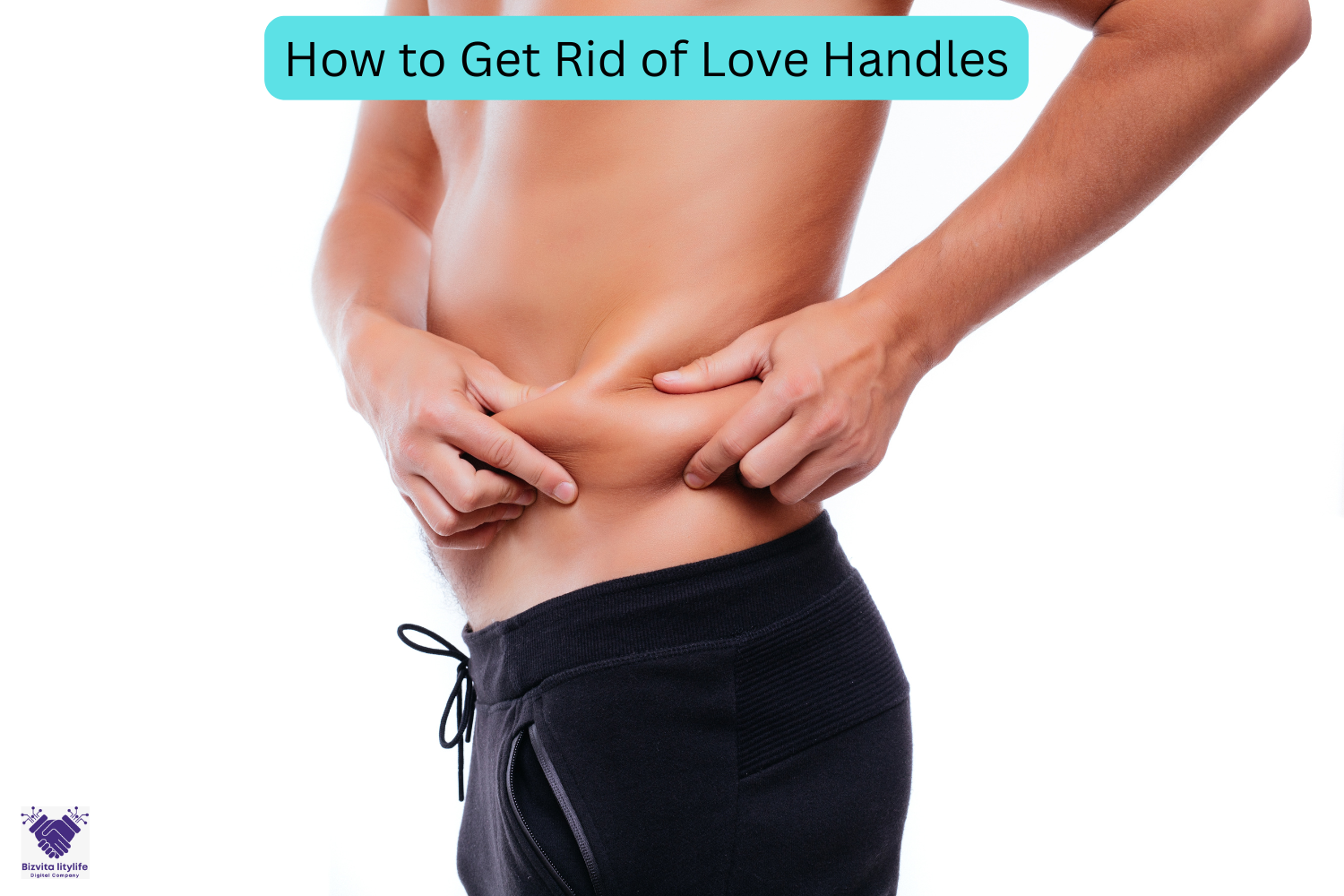
Love handles are pockets of fat that sit on the sides of the waist. They form because the body stores extra energy in certain areas. The waist is one of those areas for many people. Hormones, habits, stress, and daily movement shape this storage pattern. It is not a sign of failure or laziness.
In the United States, body fat accumulation around the waist is widespread. According to recent national data from the Centers for Disease Control and Prevention, more than 40 percent of US adults meet the criteria for obesity, a condition strongly associated with increased abdominal and waist fat storage. The CDC analysis also shows higher prevalence with age, disrupted sleep patterns, and sedentary routines, all factors closely linked to stubborn fat around the midsection, as outlined in this CDC obesity data brief.
Many people believe love handles appear only from eating too much. That idea misses the bigger picture. Stress levels can push the body to store fat. Poor sleep can slow fat loss. Long hours of sitting can change how the body uses energy. Even genetics plays a role.
The body does not lose fat from one spot on command. That is why endless side crunches do not work. Fat loss happens across the body. The waist responds when the whole system improves.
Key reasons love handles appear include:
- High stress that keeps cortisol levels raised
- Irregular sleep that disrupts hunger signals
- Diets that cut too much and cause rebound eating
- Low daily movement outside workouts
- Hormone shifts linked to age or lifestyle
Understanding these reasons removes blame. It also shows where change can happen.
Why Resetting Expectations Comes Before Any Fat Loss Plan
Many plans fail because expectations are off. People expect fast results from short effort. The body rarely works that way. Fat loss, especially around the waist, moves slowly. Accepting that truth makes progress easier.
Chasing quick fixes leads to cycles of restriction and burnout. The body reacts by holding onto fat. Stress rises. Motivation drops. A reset helps break that cycle.
Large-scale US health data reinforces this pattern. The National Institute of Diabetes and Digestive and Kidney Diseases reports that over 70 percent of US adults are classified as overweight or obese, and repeated short-term dieting is one of the most common reasons long-term fat loss fails. Their analysis shows that sustainable changes, not aggressive restriction, are associated with better waist circumference outcomes, as detailed in this NIDDK obesity statistics overview.
A strong foundation includes patience and consistency. Small actions done daily beat significant actions done rarely. This mindset shift reduces pressure and improves follow-through.
Helpful mindset resets include:
- Focusing on habits instead of timelines
- Measuring progress beyond the scale
- Allowing flexibility instead of strict rules
- Viewing setbacks as data, not failure
This step is quiet but powerful. It changes how every other step feels.
How Food Choices Support Waist Fat Loss Without Extreme Rules
Food plays a role, but not through punishment. The body responds best to balance. Regular meals help control hunger. Protein supports muscle and fullness. Fiber slows digestion and keeps energy steady.
Skipping meals or cutting entire food groups often backfires. Hunger builds. Cravings spike. Consistency fades. A steady approach works better.
Simple food priorities include:
- Eating enough protein at each meal
- Adding fiber through fruits, vegetables, and grains
- Keeping meal timing steady most days
- Drinking enough water throughout the day
This approach supports fat loss while protecting energy and mood. It also feels livable.
How Movement Helps Reduce Love Handles Beyond Core Exercises
Core exercises strengthen muscles, but they do not burn waist fat alone. The body responds better to whole-body movement. Strength training builds muscle. Muscle raises daily energy use. Walking is a low-stress activity that supports recovery.
Movement should not feel like punishment. It should fit into life. Short sessions done often beat long sessions done rarely.
Effective movement habits include:
- Full body strength work a few times a week
- Daily walking or light activity
- Core exercises as support, not the focus
- Rest days to allow recovery
This mix keeps stress low while nudging fat loss forward.
Why Sleep and Stress Quietly Shape Waistline Results
Sleep and stress control hormones that guide fat storage. Poor sleep raises hunger hormones. High stress increases cortisol. Both push the body to hold fat at the waist.
Improving sleep and stress does not require perfection. Small changes help. Regular bedtimes. Short breaks during the day. Time away from screens.
Supportive habits include:
- A consistent sleep schedule
- Short daily pauses to reset the mind
- Limiting late-night screen use
- Keeping evenings calm when possible
These shifts often unlock progress when other efforts stall.
How to Track Progress Without Obsession or Frustration
The scale tells one story. The mirror tells another. Clothes tell a third. Tracking progress works best when it uses more than one signal.
Waist changes can be slow. Strength may rise first. Energy may improve before shape changes. Recognizing these wins keeps motivation steady.
Helpful ways to track progress include:
- Weekly waist measurements
- Fit of clothes over time
- Strength gains in workouts
- Daily energy and mood notes
This approach builds trust in the process.
A Calm Way Forward That Actually Lasts
Getting rid of love handles is not about force. It is about alignment. When food, movement, sleep, and stress work together, the body responds. Progress may feel slow, but it adds up.
This guide offers a steady path. No extremes. No shame. Just clear steps and patience. Real change grows from understanding and repetition.
If support, structure, or clarity feels helpful, we are here to guide the next step. Start small. Stay consistent. Let the process work.