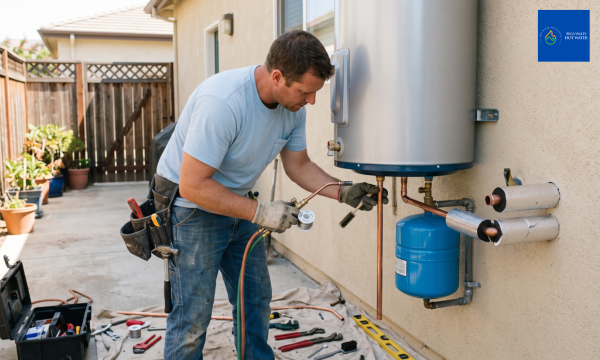

Why the right hot water system installation starts with planning
A hot shower feels simple, but the system behind it is doing a lot of work. We often notice it only when the water runs cold or a power bill jumps. That is why choosing a new system should start with a few basic questions. How many people use hot water each day? When is demand highest? Is there enough space outside or on the roof? Services designed around hot water system installation can help answer these questions before money is spent. We also need to think about pipe length, tank size, access, and the type of energy already used at home. A smart choice can lower waste and make daily use more reliable. This guide covers the main options, planning steps, and checks worth doing before installation starts.
We will look at heat pumps, solar hot water, wood heating, and the role of a qualified plumber. These choices may seem separate, but they often affect the same spaces and services around a home. We will also explain what to compare before accepting a quote. The goal is not to chase the newest product. It is to choose a system that fits the home and the people living in it. We should think about running costs as well as purchase costs. Maintenance matters too. So does local weather. By checking these points early, we can avoid rushed decisions and reduce the chance of paying for a system that is too big, too small, or badly placed.
How to choose a heat pump hot water system that suits your home
A heat pump works by pulling warmth from the surrounding air and moving it into stored water. It uses power to transfer heat rather than create all of it directly. That can make it more efficient than a standard electric storage system. Your first job is to look at household demand. A small household may not need a large tank. A busy family may need more storage to cover morning and evening use. Placement also matters because the unit needs steady airflow.
1. Check the available space
The unit needs room around it so air can move freely. A tight corner may reduce performance. Service access should also be left clear.
2. Think about local weather
Heat pumps can work in cool areas, but models differ. Check the operating range before buying. Choose a unit suited to local winter conditions.
3. Compare long-term value
Do not judge the system by purchase price alone. Check warranty cover, tank size, noise, and expected energy use. A slightly dearer unit may cost less to run over time.
What solar hot water installation needs before any work begins
A solar hot water system collects heat from sunlight and uses it to warm stored water. It can work very well when the roof gets strong and steady. Before solar hot water installation, check roof direction, shade, roof condition, tank position, and booster needs. A roof may look sunny at midday but receive shade earlier or later. Nearby trees can also affect performance. Your installer should inspect these details before recommending the final setup.
Useful checks include:
- Check how much direct sun the roof receives.
- Confirm the roof can support the equipment.
- Ask what backup heating will be needed.
- Keep pipe runs as short as practical.
- Leave enough room for future servicing.
According to the Australian Government’s Your Home guide, a well-designed solar hot water system can provide a large share of a home’s hot water needs. Performance depends on climate, collector size, storage capacity, and household use. Backup heating is still needed for cloudy periods and higher demand. That is why a site check matters before purchase. Solar can be a strong choice, but only when the roof and household pattern suit it.
Why wood heater installation Bermagui should be planned with other services
Home upgrades often happen one job at a time. That sounds simple, but separate jobs can compete for wall space, roof space, power, and access. If you are arranging a wood heater installation in Bermagui, it makes sense to check any future hot water work at the same time. A wood heater needs safe clearances, a suitable flue path, and enough room around the appliance. A new water heater may need outdoor space, drainage, wiring, or pipe changes. Planning both early can prevent awkward changes later.
Before work starts:
- Mark where each appliance will be placed.
- Check flue, plumbing, and electrical paths.
- Keep service areas free from stored items.
- Confirm which licensed trades are required.
- Get the scope of work in writing.
A qualified hot water plumber should also inspect the old system and nearby pipework. Replacing a failed unit with the same type is not always the best choice. Pressure, valves, drainage, pipe condition, and daily demand should be checked first. A little planning now can save a second round of work later.
What makes a heat pump hot water system worth considering
A heat pump can be useful when you want to reduce electricity use without fitting roof-mounted hot water collectors. A properly chosen heat pump hot water system can suit many homes, but it still needs the right site conditions. You need enough airflow, suitable drainage, power supply, and space for the tank. Noise also deserves attention if the unit sits near a bedroom or neighbour. Tank size should match real household demand rather than guesswork.
Recent information from NSW Climate and Energy Action states that heat pump water heaters can cut hot water energy use by up to 75%. Eligible NSW households may also access discounts when replacing some electric or gas water heaters with approved heat pump models. The exact saving depends on the product, installer, old system, and current scheme rules. Check eligibility before agreeing to the job.
When comparing units:
- Compare tank size with household demand.
- Check product and labour warranties.
- Ask how much noise the unit makes.
- Review more than one written quote.
- Confirm any rebate before installation.
Why choosing a hot water plumber matters more than many people think
The system itself gets most of the attention, but installation quality matters just as much. A good hot water plumber checks the site before work begins. They look at pipe routes, pressure, valves, drainage, and safe access. They should also explain why a certain system size suits your home. That gives you a clearer reason for the recommendation.
A skilled installer should also help with:
- Safe removal of the old unit.
- Correct placement of the new system.
- Proper valve and pipe setup.
- Clear access for future repairs.
- Basic operating and maintenance advice.
The Australian Government Energy website notes that water heating can account for a major share of household energy use. It also explains that efficient systems can reduce energy demand when they suit the household and are installed correctly. That makes the installer’s advice important. Buying an efficient unit is only half the job. Poor sizing or placement can reduce the benefit you expected.
How we can help you make a better hot water choice
A good hot water upgrade should fit the home, daily use, local climate, and budget. We should look at the whole setup rather than buying a unit based on price alone. Heat pumps, solar systems, and standard units can all work well when they suit the property.
We can help make the next step easier by focusing on clear choices and practical planning. If you are replacing an old unit or planning a wider home heating upgrade, speak with a qualified local professional before deciding. Ask about system size, running needs, warranty cover, installation scope, and future servicing. Choose with good information now, and you are far more likely to get reliable hot water and sensible costs for years to come.